
Scarring
Types of Acne Scars
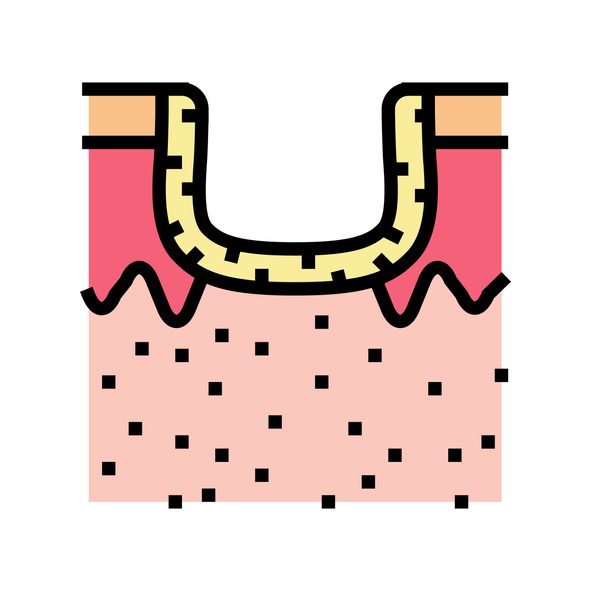
Boxcar Scars
These scars closely resemble the marks left by chickenpox. They are characterised by round or oval depressions with steep vertical sides. Their distinct appearance gives the skin a pitted look. These scars typically form when an inflamed cyst destroys collagen, leading to a loss of tissue.
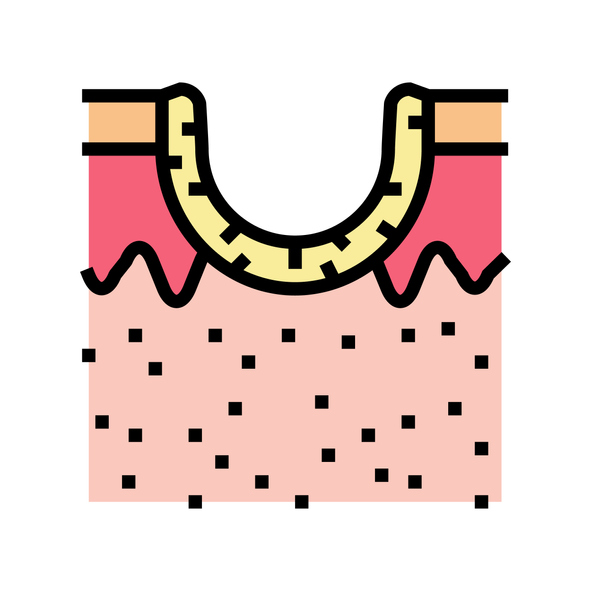
Rolling Scars
These scars are a wave-like or undulating texture on the skin. Their broad yet shallow depth is a result of fibrous bands that form between the skin and the underlying tissue. These bands pull the skin's surface, leading to the rolling appearance. They often develop when the structures that support the skin's deeper layers are damaged.
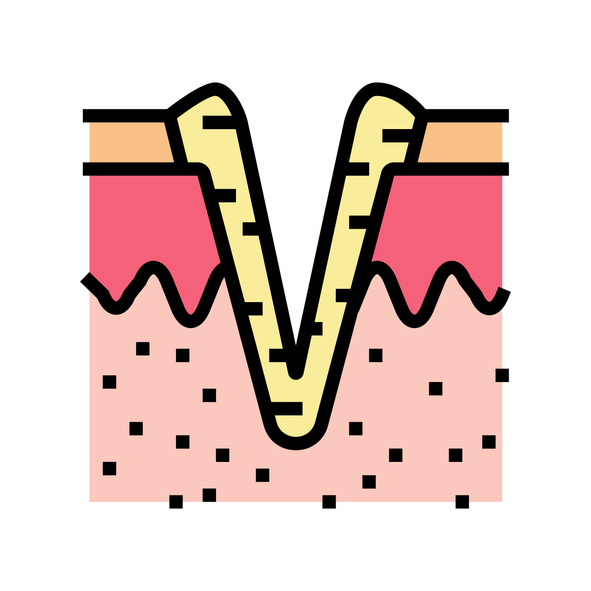
Ice Pick Scars:
These scars are deep, narrow, and appear as if the skin was punctured with a sharp instrument, like an ice pick. They form when an inflamed lesion makes a small, deep hole in the skin's surface. Their depth and narrow opening make them one of the more challenging scars to treat.
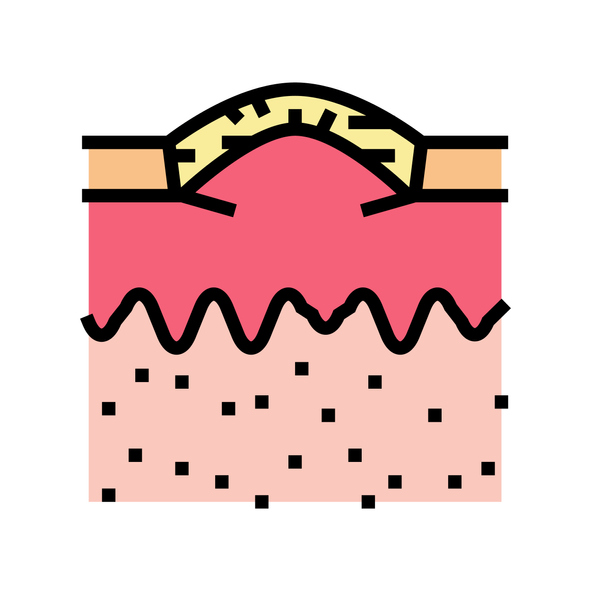
Hypertrophic Scars
Unlike the other scars which result in depressions, hypertrophic scars are raised and sit prominently above the skin's surface. They are commonly found on the chest and back but can appear anywhere on the body. These scars form when the skin produces too much collagen while healing, leading to a mass of raised tissue on the skin's surface.
What Causes Acne Scars?
Severe Inflammation: Inflammations that penetrate deep into the skin, such as cysts and nodules, can be particularly damaging. These intense inflammations can destroy the skin's collagen, an essential protein that maintains skin's elasticity and strength. When this collagen is damaged or lost, the skin struggles to regenerate properly, often resulting in scars that can be both deep and pronounced.
Picking and Squeezing: While it might be tempting to extract blemishes, doing so can exacerbate the problem. Picking and squeezing can push bacteria, oil, and debris deeper into the skin layers. This not only aggravates the initial breakout but can also lead to deeper, more severe inflammations and infection. Such actions can cause wounds to heal improperly, significantly increasing the chances of lasting scars.
Genetics: Just as we inherit certain traits like eye color or height from our ancestors, our skin's tendency to scar can also be genetically determined. If your parents or siblings have acne scars, you are more likely to get them too. Genetics can influence skin type, healing capacity, and collagen production, all of which play roles in scar formation.
Delayed Treatment: Addressing acne promptly and effectively is crucial in preventing scars. The longer acne remains untreated, the more damage it can inflict on the skin. Prolonged periods of inflammation can weaken the skin's natural healing mechanisms. Over time, this can result in more pronounced scars as the skin struggles to repair itself without the necessary intervention.
Delving Deeper into Acne Scars:
Acne is a common skin problem, but the scars it leaves behind can be long-lasting and complicated issues. These scars are not just superficial marks; they are a testament to the skin's battle against inflammation.
Inflammation caused by too much oil, dead skin cells, and bacteria can make the skin look and feel different over time. As the skin tries to heal from these breakouts, the swelling can cause a rupture in the follicle wall.
If the break occurs close to the skin's surface, it usually heals without leaving a significant mark. However, if the rupture is deep, the infected material can spill out into the surrounding tissue, creating deeper lesions.
The skin attempts to repair cuts by producing new collagen fibers. However, these fibers do not always restore the skin's previous smoothness. As a result, scars may develop. Understanding the intricacies of how and why these scars form is crucial in addressing and treating them effectively.
Types of Post-Surgical Scars
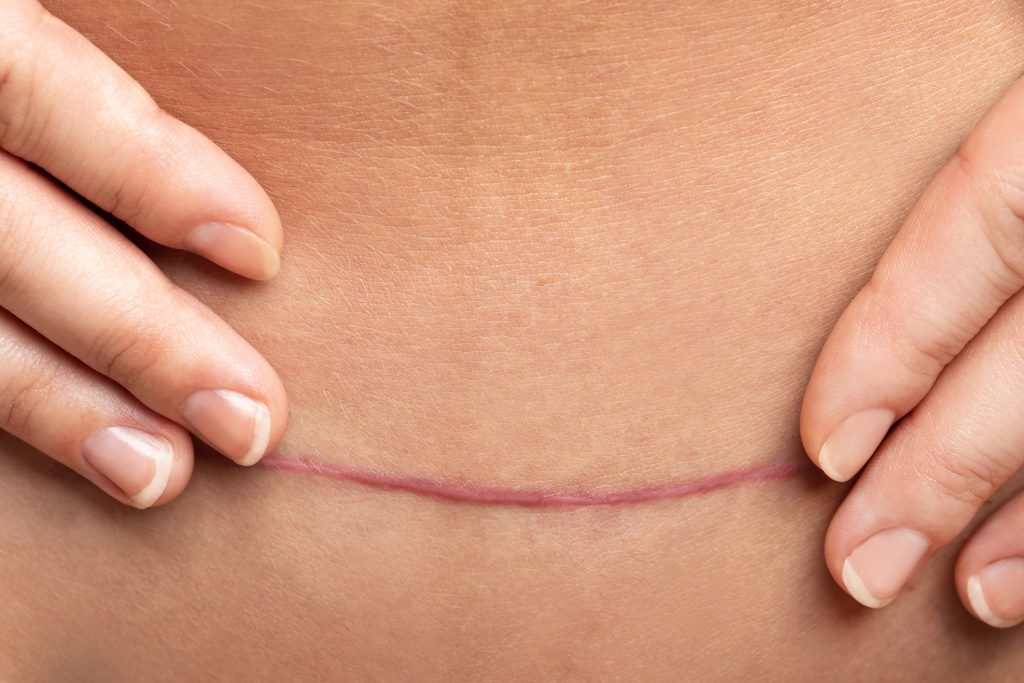
Flat Scars
These are the most common type of surgical scar. They are usually thin, flat, and pale. With time and care, they can fade and become less noticeable, blending in with the skin around them.
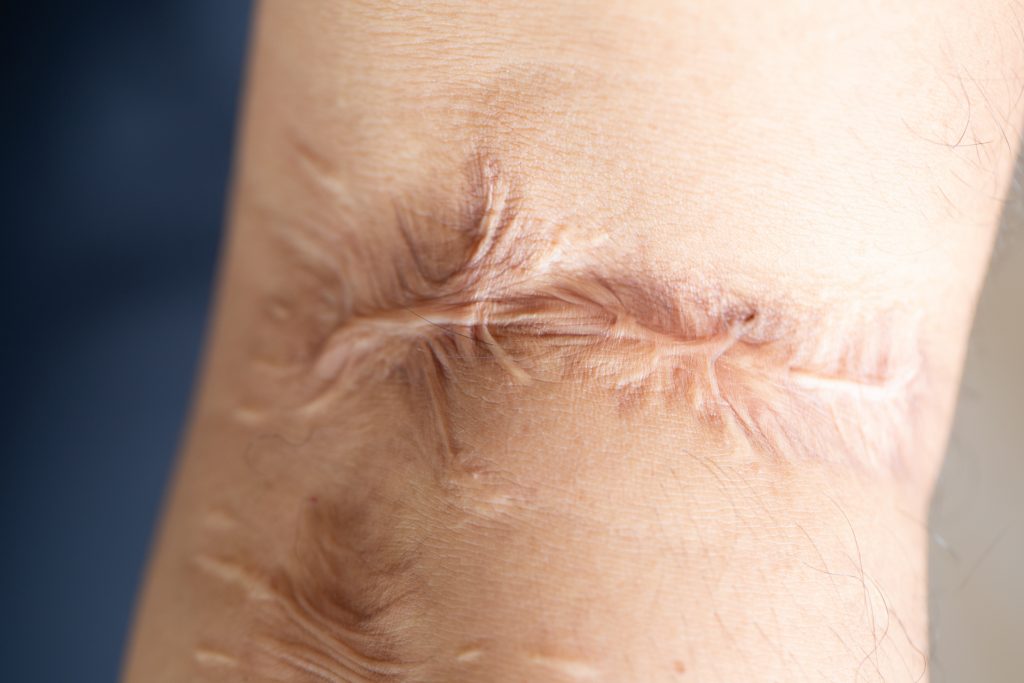
Contracture Scars
Resulting from the loss of a large skin area, these scars tighten the skin and impair movement and flexibility. They can also go deeper, affecting muscles and tendons.
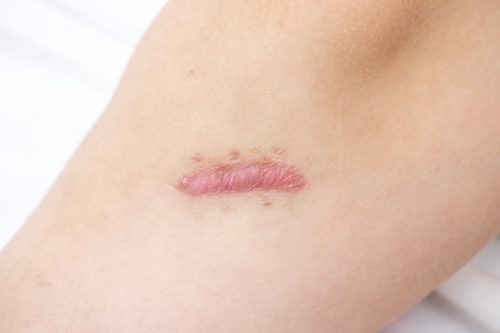
Hypertrophic Scars
These are raised scars but remain within the boundaries of the original incision or wound. They can become red and thickened but might reduce over time with appropriate treatments. They're often confused with keloids but are less aggressive.
What Causes Post-Surgical Scars to Form?
Incision Depth and Size: Naturally, larger and deeper incisions tend to leave more noticeable scars. The body's response to such wounds is to produce collagen to bridge the gap, leading to scar formation.
Skin Type and Genetics: Some skin types, especially those prone to keloid formation, and genetic predispositions can lead to more pronounced or persistent scarring. Family history can provide insights into potential scarring patterns.
Wound Care: Proper post-surgical care, including keeping the wound clean, moisturised, and protected from excessive sun exposure, can significantly influence how scars form and mature.
Location of Surgery: Incisions made in areas with high tension or movement, such as joints or the chest, can result in wider or more pronounced scars due to the skin's constant stretching.
Delving Deeper into Post-Surgical Scars:
Every surgery, regardless of its nature, involves incisions that will, in most cases, leave behind some form of scarring. The body's natural response to wound healing can result in scars that vary in appearance based on several factors. These factors include the surgery's location, the individual's skin type, age, and even genetics. The way wounds are closed, infections, and a person's health can affect how scars form, change, and fade.
Treatments at Identity+ Aesthetics
Microneedling
A minimally invasive procedure that stimulates collagen production, improving skin texture and reducing the appearance of scars, fine lines, wrinkles, and signs of aging.
DermaQuest Resurfacers & Chemical Peels
These treatments involve applying chemical solutions to remove the epidermis layers of the skin, permitting active ingredients to reach the dermis layers and revealing smoother, healthier, rejuvenated, revitalised, and clearer skin.
Medical Grade Skincare
We offer a tailored range of medical grade products enriched with active ingredients that can target most skin concerns for all skin types.
We are dedicated to providing an all-inclusive space where treatments are performed without animosity.
Our services involve products from industry-leading suppliers used by our expert practitioners to provide the most comfortable experience while maximising outcomes uniquely tailored to every client's needs.
We strive to boost comfort, confidence, and self-expression with your body no matter who you are!
Schedule a consultation
Any treatment can be daunting and invasive, especially around those you're unfamiliar with in a new place.
No query is too silly to ask, we're always happy to explain any details and chat at your own pace anytime.
Our consultations involve a small deposit applied only upon arranging treatments, otherwise, they are free to book and access.
Let us know of any assistance you need and we'll do our best to help.
FAQ's
on Acne Scars
FAQ's
on Post-Surgical Scarring
For any further queries or to schedule a consultation, reach out to Identity+ Aesthetics. We're here to assist you every step of the way.