
Pigmentation
Melanin, a complex and vital pigment, plays a central role in determining our skin's unique hue. Melanocytes produce the pigment that gives colour and protects our skin from harmful UVA and UVB radiation.
However, the production of melanin is a delicate balance, influenced by genetics, environmental factors, and hormonal changes. When this balance is disrupted, it can result in either an overproduction or underproduction of melanin. This imbalance manifests as discolourations or uneven skin tones, which can range from dark spots to lighter patches. Understanding the intricacies of melanin production and its regulation is crucial in addressing and treating various skin colour variations effectively.
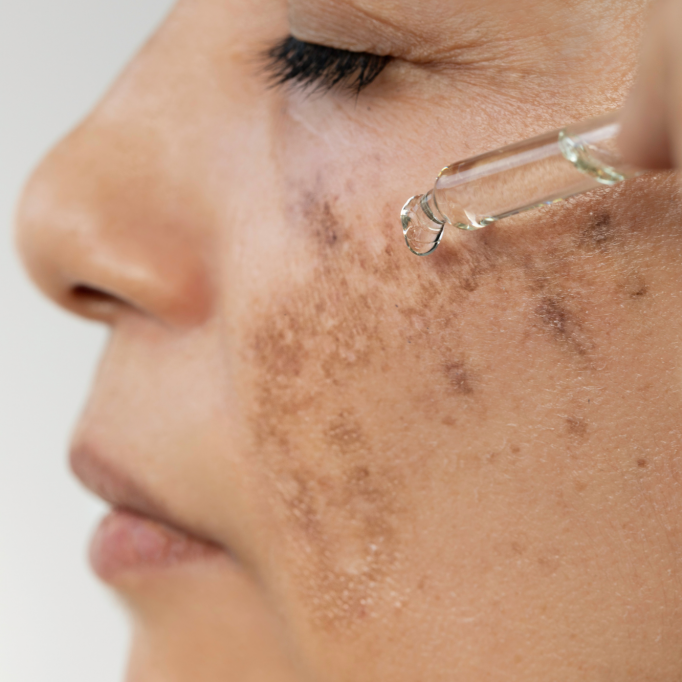
Diverse Types of Skin Discolorations
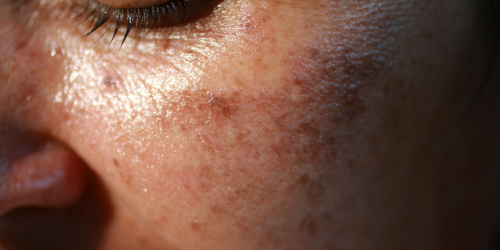
Melasma
Recognisable as brown or grey-brown patches, melasma is a skin condition that predominantly affects women. Melasma is often caused by hormonal changes. It can occur during pregnancy, as well as when taking birth control pills or hormone replacement therapy. Many women experience this challenge at various times in their lives. Many women experience this challenge at various times in their lives.
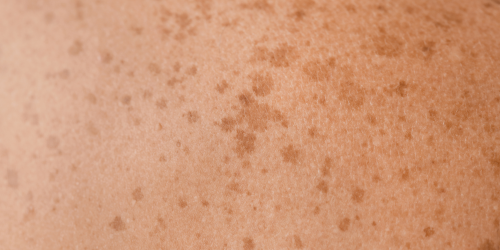
Sunspots (Solar Lentigines)
These flat, brown areas are nature's way of marking prolonged sun exposure. Sunspots are often found on the face, hands, and arms, where they are exposed to the sun. They show that someone has spent a long time in the sun without enough protection. They serve as a reminder of the importance of sun safety.
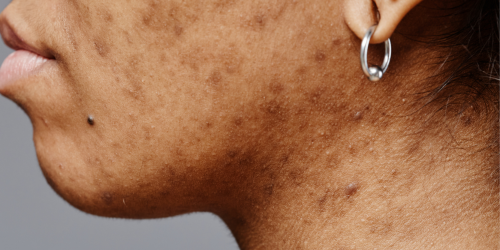
Post-Inflammatory Pigmentation
These are the scars and blemishes left behind after skin trauma or inflammation. Scars can stay even after wounds heal, reminding us of past skin problems like cuts, burns, or breakouts. Their appearance can vary based on skin type and the severity of the initial injury.
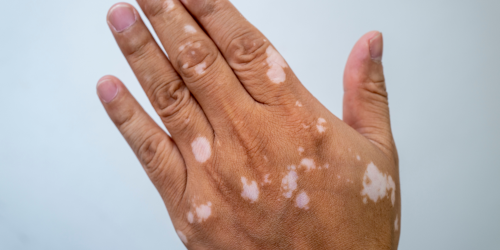
Vitiligo
A unique and often misunderstood condition, vitiligo manifests as contrasting white spots on the skin. It occurs when melanocytes, the cells responsible for producing melanin, become dysfunctional or die. This loss of pigment can be emotionally challenging for those affected, as the condition is often noticeable and widespread.
Prevention and Care
Knowing about skin health helps you make good choices for your skin's well-being. By understanding the intricacies of your skin and the factors that influence its appearance, you're better equipped to prevent potential issues.
Protecting your skin from the sun's harsh rays is paramount, as UV exposure is a leading cause of discolouration. Additionally, being aware of potential triggers, whether they're environmental, hormonal, or lifestyle-related, can help you navigate challenges with confidence.
Customising your skincare routine helps with current and future skin issues by strengthening and protecting your skin. To protect your skin, use sunscreens that guard against UVA and UVB rays. Additionally, incorporate serums with antioxidants into your skincare routine to combat free radicals. Lastly, include gentle exfoliants in your regimen to maintain an even and radiant skin tone.
Root Causes of Colour Changes
Sun Exposure: Sunlight, while essential for vitamin D synthesis and elevating our mood, has a dual nature. Its UV rays, especially when exposure is prolonged without protection, can stimulate melanocytes to produce excessive melanin. This overproduction often results in dark spots, freckles, and an overall uneven skin tone, emphasising the need for consistent sun protection.
Hormonal Fluctuations: Our body's hormonal landscape is ever-changing. Pregnancy, menopause, and certain medications can cause big changes in hormones. Examples include birth control and hormone replacement therapy. These imbalances can lead to conditions like melasma, causing dark patches on the skin, especially on the face.
Skin Trauma: The skin, our body's largest organ, has a remarkable ability to heal. However, past injuries, surgeries, or even aggressive skincare treatments can sometimes disrupt the skin's natural healing process. As a result, scars, discolourations, and uneven texture can form.
Genetics: Our genes, the blueprint of our existence, influence more than just our height or eye colour. Our family history can play a pivotal role in determining our skin's propensity for certain conditions. Skin colour, sensitivity, and healing abilities can be inherited and affect how our skin looks and its overall health.
Treatments at Identity+ Aesthetics
DermaQuest Resurfacers & Chemical Peels
These treatments involve applying chemical solutions to remove the epidermis layers of the skin, permitting active ingredients to reach the dermis layers and revealing smoother, healthier, rejuvenated, revitalised, and clearer skin.
Microneedling
A minimally invasive procedure that stimulates collagen production, improving skin texture and reducing the appearance of scars, fine lines, wrinkles, and signs of aging.
Medical Grade Skincare
We offer a tailored range of medical grade products enriched with active ingredients that can target most skin concerns for all skin types.
We are dedicated to providing an all-inclusive space where treatments are performed without animosity.
Our services involve products from industry-leading suppliers used by our expert practitioners to provide the most comfortable experience while maximising outcomes uniquely tailored to every client's needs.
We strive to boost comfort, confidence, and self-expression with your body no matter who you are!
Schedule a Consultation
Any treatment can be daunting and invasive, especially around those you're unfamiliar with in a new place.
No query is too silly to ask, we're always happy to explain any details and chat at your own pace anytime.
Our consultations involve a small deposit applied only upon arranging treatments, otherwise, they are free to book and access.
Let us know of any assistance you need and we'll do our best to help.
FAQ's
on Pigmentation
For any further queries or to schedule a consultation, reach out to Identity+ Aesthetics. We're here to assist you every step of the way.